 Today · Echonomia Post
The Bureau of Labor Statistics released the latest Consumer Price Index (CPI) report last week, showing that inflation was significantly higher than expected in September. Headline inflation, which includes food and energy prices, showed the CPI rose 3.7% year over year in September, and climbed 0.6% from the previous month. When food and fuel are excluded -- so-called core inflation -- prices rose 2.6% year over year and 0.3% over August.
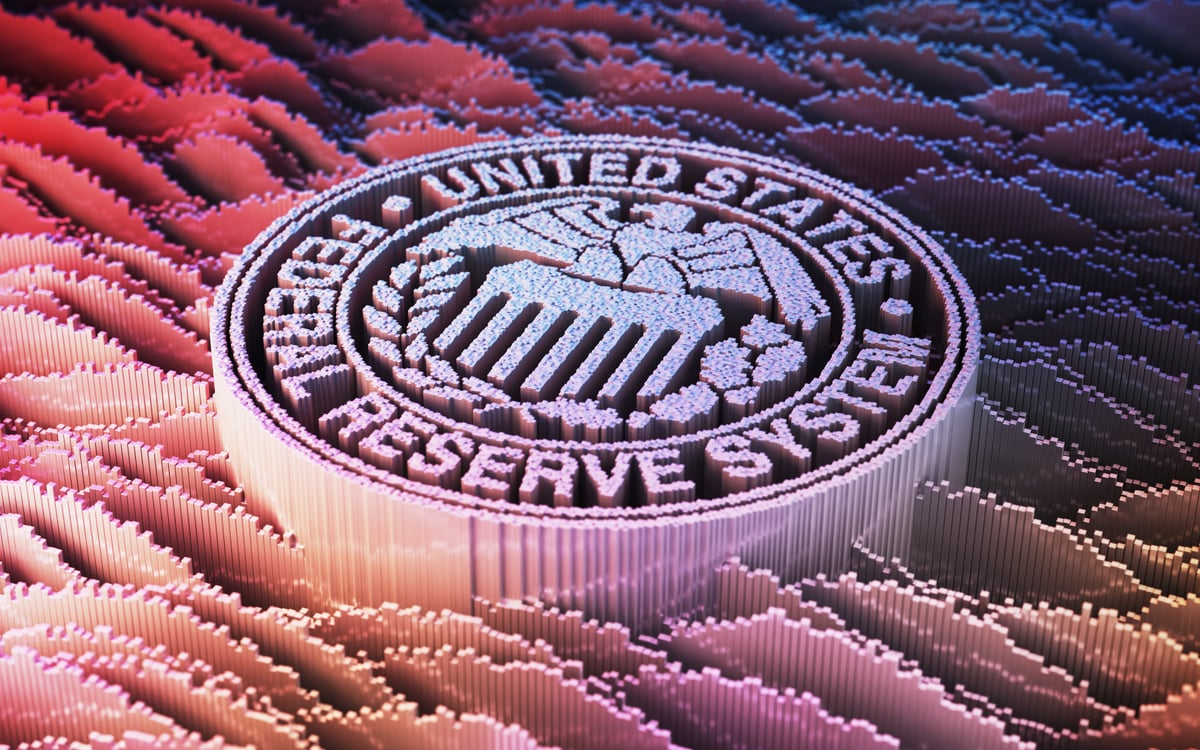
Those numbers were above general forecasts, and September's numbers were higher than August's, suggesting that inflation is heating up, not cooling down. This means it's moving in the wrong direction. Image source: Getty Images.
That inflation data suggests that the Federal Reserve will implement a second consecutive rate hike when its monetary policy committee meets on Oct. 27-28. The Fed hiked its benchmark interest rate by a quarter percentage point in September, and most Fed watchers expected that to be the first of a series of rate hikes intended to bring inflation closer to the Fed's 2% goal. Bond and futures traders aren't betting on an October hike Bond and futures markets, however, are not convinced the hotter-than-expected September inflation reading will prompt a rate hike by the Fed -- at least not yet.
Futures traders are pricing in an 85.1% likelihood that the Fed will leave the federal funds rate unchanged at a range of 3.75% to 4% at the October meeting. Futures markets assign a 74.1% likelihood that the Fed will resume hiking that rate when it meets for the final time this year, in early December. Bond markets seem to agree with futures traders.
The yield on the two-year Treasury note, which climbed in September to 4.93%, has since backed off to 4.73%. That's significant, as the two-year yield is most sensitive to changes in the federal funds rate, so when it falls, it indicates lower expectations for rate hikes. That said, the two-year yield remains well above the Fed's current rate, suggesting bond investors expect that rate to rise eventually.
Futures traders do, too. They're pricing in a 65% chance of at least three quarter-point hikes by the end of 2027, taking the federal funds rate to a range of 4.5% to 4.75%, exactly where the two-year yield stands right now. This matters to equity markets.
Research by Charles Schwab and others shows that when the Fed goes slow on rate hikes, the stock market performs much better than when it hurries its rate-hiking schedule. I've been watching and listening closely to new Fed Chair Kevin Warsh since he took the helm of the central bank back in May of this year, and he looks like an incrementalist to me. That's a good thing for investors.
Charles Schwab is an advertising partner of Motley Fool Money. Matthew Benjamin has no position in any of the stocks mentioned. The Motley Fool recommends Charles Schwab and recommends the following options: short September 2026 $95 calls on Charles Schwab.
The Motley Fool has a disclosure policy .
Source: The Motley Fool